
Find the Best Cryptocurrency to Invest In: A Simple 2026 Guide

Introduction: Navigating the Crypto Maze with Confidence
Feeling lost? You’re not alone. The search for the best cryptocurrency to invest in can feel like being dropped in a maze. Wild price swings, confusing jargon, and scary stories about scams create a wall of noise. It’s enough to make anyone wonder, "Is bitcoin a good investment at all, or is this whole thing too risky?"
Here’s the thing. The crypto world is growing up. In 2026, about 30% of American adults own some form of cryptocurrency, a sign that it’s becoming more mainstream. Big financial players like Blackrock and Fidelity are now deeply involved, adding a layer of institutional trust. Yet, for a beginner, the path forward is still foggy. You might be looking at a bitcoin calculator or trying to understand how to buy cryptocurrency, only to feel more confused.
This guide is your clear map out of the maze.
We cut through the hype and fear. Instead of pushing you toward risky bets, we focus on building a solid foundation. You’ll learn how to think about crypto investing safely, how to use tools like a crypto calculator wisely, and how to spot a trustworthy platform.
Here’s what you’ll get:
- Clarity on Core Concepts: We break down what matters, so you can evaluate if an asset like XRP or a platform like Crypto.com investing is right for you.
- Actionable Safety Steps: Learn the non-negotiable practices to protect your money from day one.
- A Practical Starting Point: We’ll guide you through your first steps, from choosing a secure place to buy bitcoin to understanding your investment strategy.
Think of this not as a get-rich-quick scheme, but as your first, confident step into a new financial landscape. To make this journey easier, many beginners find value in a structured, friendly guide. For ongoing, step-by-step tips delivered simply to your inbox, consider the free Clicks and Trades newsletter.

Ready to move from confusion to confidence? Let’s begin. Sign up for more guidance and take your first step today.
Understanding Cryptocurrency Basics: Your Foundation for Success
Before you can find the best cryptocurrency to invest in, you need to understand what you’re dealing with. Think of this as learning the rules of a new board game before you start playing. It takes a little time, but it makes everything else much clearer and safer.
What Is Cryptocurrency? (It’s Simpler Than You Think)
At its core, cryptocurrency is digital money. Unlike dollars in your bank, it isn’t controlled by a government or a central bank. Instead, it runs on a technology called blockchain. You can picture a blockchain as a public digital ledger, like a shared Google Sheet that thousands of computers around the world keep updating and checking. This makes transactions secure and very hard to cheat.
The big deal? It lets people send money directly to each other without needing a middleman like a bank.
Key Concepts Every Beginner Must Know
Let’s break down the three big pieces you’ll bump into: wallets, exchanges, and volatility.
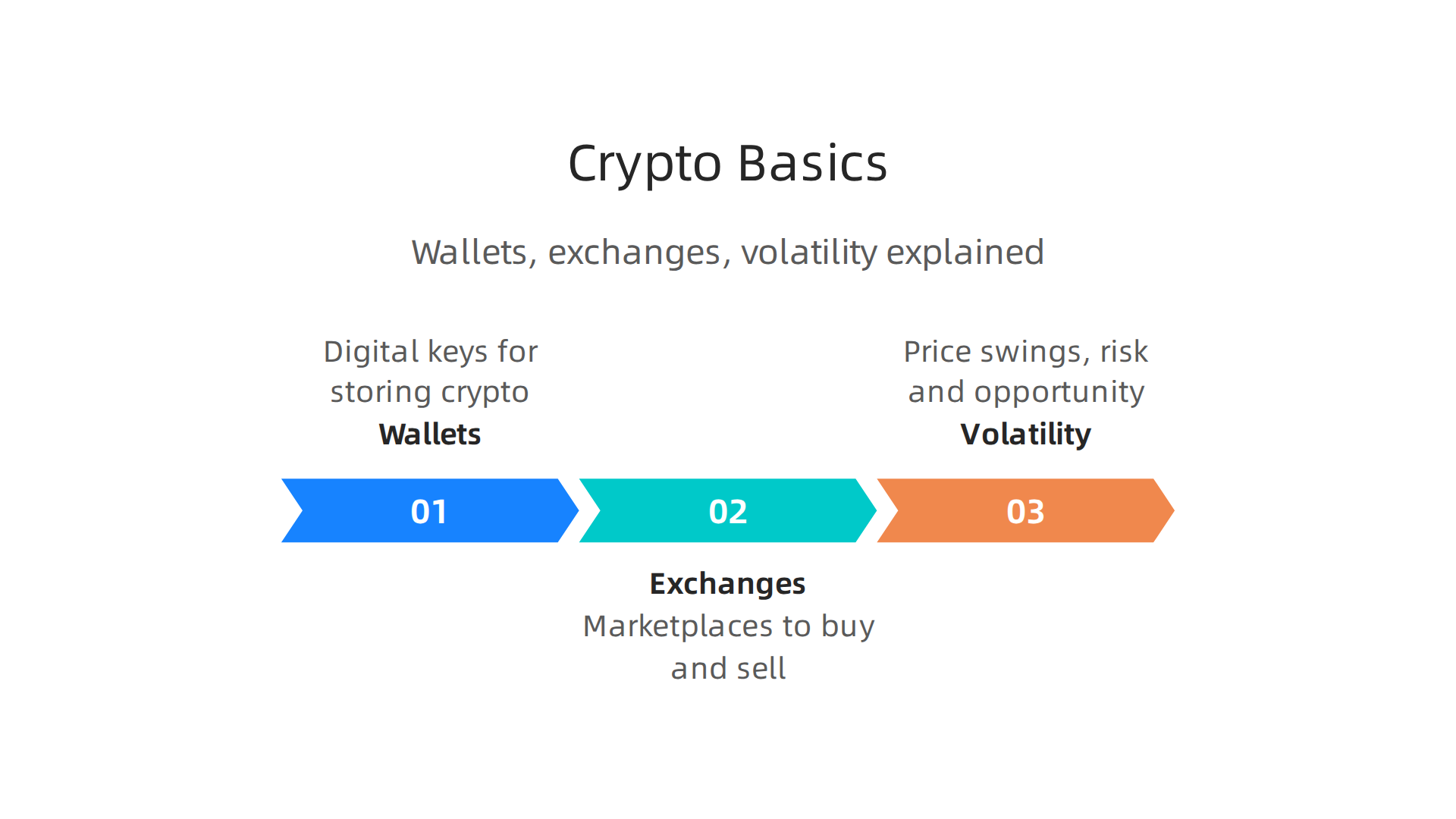
- Wallets: This is where you store your crypto. It’s not a physical wallet. It’s a digital tool that holds the private keys (like super-secure passwords) that allow you to access your coins on the blockchain. You own the keys, you own the crypto.
- Exchanges: This is where you buy bitcoin and other cryptocurrencies. Platforms like Coinbase or Crypto.com investing are exchanges. They are like digital stock markets for crypto. Choosing a secure, user-friendly platform is a critical first step, which is why we have a helpful beginner’s checklist for choosing the best crypto trading platform.
- Volatility: This is a fancy word for big, fast price swings. Crypto prices can jump up or down dramatically in a short time. This is why people use tools like a bitcoin investment calculator to model different scenarios. It’s exciting but risky. In 2026, the market remains active, though experts note it can be "chaotic" and hard to predict in the short term.
Clearing Up Common Misconceptions
A lot of fear comes from misunderstanding. Let’s fix that.
-
Myth: "Crypto is only for tech experts and criminals."
- Truth: Today, it’s for everyone. Recent data shows about 30% of American adults now own some cryptocurrency. Major financial institutions like Blackrock and Fidelity have big crypto funds, bringing mainstream legitimacy.
-
Myth: "If I buy crypto, I will definitely get rich quickly."
- Truth: This is the most dangerous idea. For every story of huge gains, there are stories of big losses. Asking "is bitcoin a good investment" or "is XRP a good investment" requires research, not hype. Investing should be for the long term, with money you can afford to lose.
-
Myth: "All crypto projects are the same."
- Truth: Bitcoin is very different from Ethereum, which is different from thousands of other coins. Some are digital gold, some are platforms for apps, and some, sadly, are scams. Knowing the difference is your best defense.
Understanding these basics turns down the noise. It helps you see past the hype and focus on learning. You don’t need to know everything today. You just need a solid foundation to build on.
The journey from confusion to confidence is a step-by-step process. If you’d like a friendly guide to walk you through each of these concepts in more detail, consider joining the free Clicks and Trades newsletter. It breaks down the crypto maze into simple, actionable steps. Ready to take the next step in your learning? Sign up for clear guidance delivered directly to you.
Why ‘Best’ Cryptocurrency Depends on Your Personal Goals
Now that you have the basics down, you might be looking for a simple list of the best cryptocurrency to invest in. Here’s the thing. There isn’t one magic answer for everyone. Asking "what is the best crypto?" is like asking "what is the best shoe?" The best shoe for running a marathon is different from the best shoe for a construction site. Your goal changes everything.
In 2026, the crypto market offers more opportunities than ever, with some experts calling it an ideal year for new investors to start. But your success depends on matching your choices to your personal plan.
What Are You Investing For?
First, get clear on your "why." Are you trying to:
- Save and Preserve? You might want a stable, proven asset like Bitcoin, often compared to digital gold.
- Grow Your Money? You might look for established platforms like Ethereum that power applications.
- Learn and Experiment? You might set aside a tiny amount for newer projects.
Your goal points you in the right direction. For example, if your main question is is bitcoin a good investment for long-term savings, the answer might be yes. If you’re looking for rapid growth, your research will look very different.
Two Key Personal Factors: Risk and Time
Two questions will shape your entire strategy more than any hot tip.
-
What is your risk tolerance? This is how much price swing you can handle without panicking. Crypto is volatile. If watching your investment drop 20% in a week would keep you up at night, you need a calmer approach. A veteran investor’s guide for 2026 emphasizes that safety and managing risk should always come first.
-
What is your time horizon? Are you investing money you might need next year, or money you can leave alone for 5+ years? Crypto is generally better suited for longer time horizons. This lets you ride out the short-term ups and downs that are completely normal.
How to Set Your Own Realistic Goals
Instead of chasing someone else’s "top 5 crypto" list, build your own plan. Here is a simple framework:
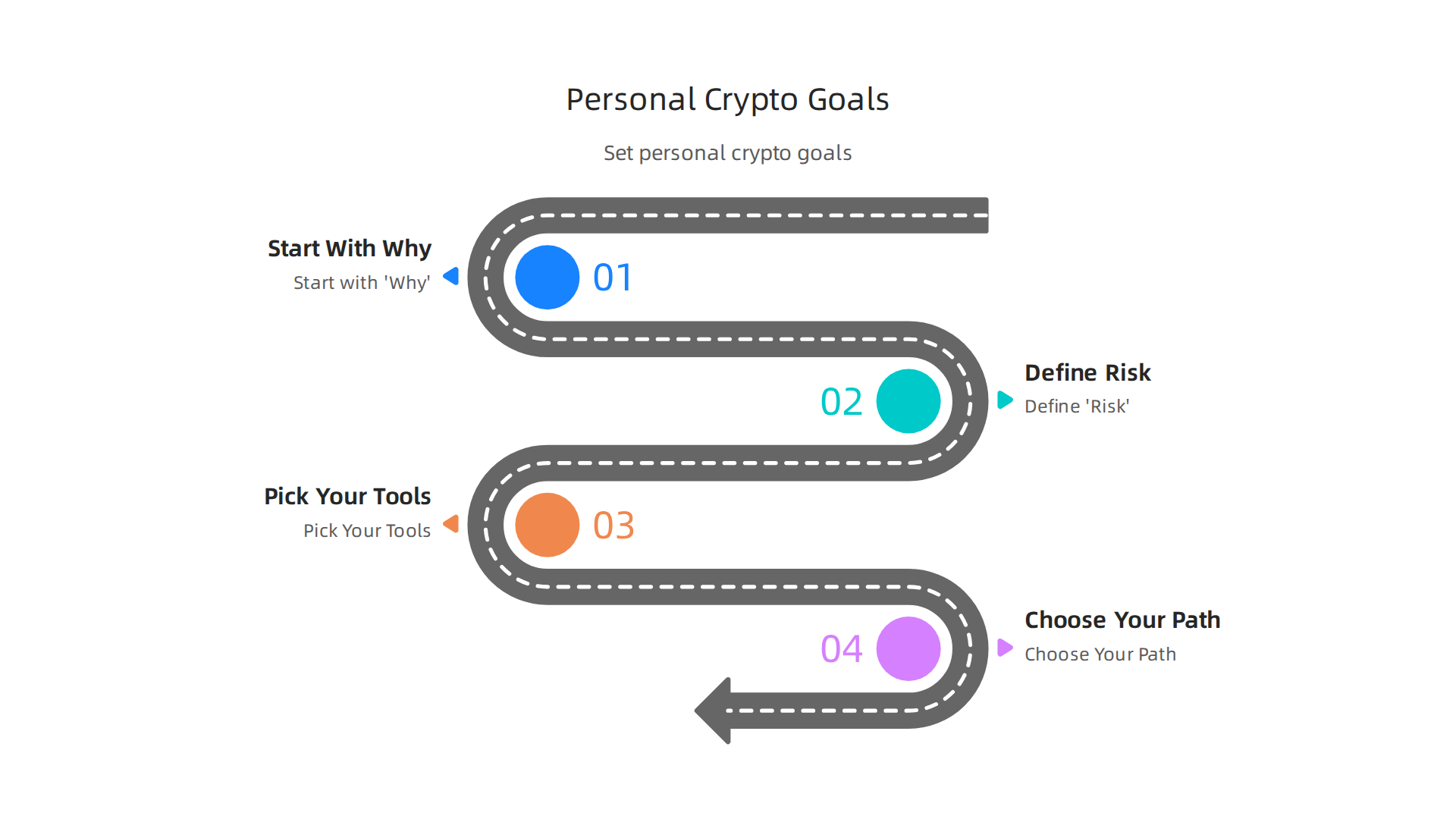
- Start with "Why": Write down one clear goal. "I want to learn about crypto by investing $100," or "I want to save for a future expense in 5+ years."
- Define "Risk": Be honest. Only invest money you are truly okay with losing. This isn’t being negative. It’s being safe.
- Pick Your Tools: Your goal tells you what to use. For saving, a simple bitcoin investment calculator can show long-term growth scenarios. For learning, a user-friendly app for crypto.com investing might be your starting point.
- Choose Your Path: A long-term saver might feel confident using a platform like a Fidelity Wise Origin Bitcoin Fund for a familiar, regulated approach.
A hands-on learner might decide to buy bitcoin directly on an exchange. The right first step depends on you.
Finding your path is easier with a guide. For more personalized, step-by-step help on turning these ideas into action, from setting up your first account to avoiding common mistakes, our free Clicks and Trades newsletter breaks it all down in simple terms. Ready to define your crypto goals with confidence? Sign up for clear guidance delivered directly to you.
Top Cryptocurrencies for Beginners in 2026: A Balanced Overview
So, you’re ready to start. But with thousands of options, where do you actually begin? For someone new, the "best cryptocurrency to invest in" is one that is understandable, widely available, and has a solid track record. It’s less about chasing explosive gains and more about building a strong foundation.
Here’s a look at three beginner-friendly categories that balance potential with relative stability. Think of these as your starting blocks.

1. Bitcoin (BTC): The Digital Anchor
If you’re asking "is bitcoin a good investment" for a beginner, the answer often revolves around its role as a cornerstone asset.
- Why it’s beginner-friendly: Bitcoin is the original cryptocurrency. It has the largest market cap, highest liquidity (meaning it’s easy to buy and sell), and the most recognizable brand. This makes it a less volatile choice compared to smaller, newer coins, though it’s still subject to price swings.
- Beginner’s perspective: Think of it as a potential long-term savings vehicle, like digital gold. Its primary use case is storing and transferring value. Research shows that while volatile in the short term, its long-term trend has attracted significant institutional interest, with products like a Fidelity Wise Origin Bitcoin Fund making it accessible in familiar investment accounts.
- Best for: The saver. The person who wants exposure to crypto’s potential but prefers the asset with the longest history and strongest network.
2. Ethereum (ETH): The Programmable Platform
Ethereum is more than just a currency; it’s a global computer that powers applications like decentralized finance (DeFi) and NFTs.
- Why it’s beginner-friendly: It’s the clear number two by market cap and has a massive, active developer community. This widespread use creates inherent value and stability. When you learn about Ethereum, you’re learning about the broader utility of blockchain technology.
- Beginner’s perspective: Investing in Ethereum is a bet on the ecosystem of apps built on top of it. It’s seen as a key driver of Web3 innovation. Analysis of crypto-asset ecosystems highlights Ethereum’s distinct risk-return profile, driven by its utility beyond simple transactions.
- Best for: The learner who is curious about how crypto works. If you’re interested in the technology behind the trends, Ethereum is an essential holding.
3. Stablecoins (USDC, USDT): Your Training Wheels
Stablecoins are cryptocurrencies designed to have a stable value, typically pegged 1-to-1 with a dollar.
- Why they’re beginner-friendly: They offer almost zero price volatility. You can hold them on exchanges or in wallets without worrying about daily price drops. This makes them perfect for getting comfortable with moving crypto, or for parking funds before making another investment.
- Beginner’s perspective: Use them to practice. Send $10 of USDC to a friend. Use it in a simple DeFi app to earn interest. A 2026 risk analysis of cryptocurrency markets notes that major stablecoins are integral to the market’s liquidity, acting as a safe haven during volatility.
- Best for: Everyone, initially. They are the safest way to hold value in the crypto space while you learn the ropes. Before you buy bitcoin or any other asset, you’ll likely use dollars to purchase a stablecoin first.
| Asset | Primary Role | Key Trait for Beginners | Think of it as… |
|---|---|---|---|
| Bitcoin (BTC) | Digital Store of Value | Stability & Recognition | Digital Gold |
| Ethereum (ETH) | Programmable App Platform | Utility & Innovation | The Web3 Engine |
| Stablecoins (USDC) | Stable Value Holder | Zero Volatility & Practice | Your Crypto Training Wheels |
Remember, this isn’t about picking the single "top 5 crypto" of the moment. It’s about choosing assets that match a beginner’s need for clarity and reduced risk. A great next step is finding a reliable place to explore these options. Our beginner’s checklist for the best crypto trading platform can help you choose a secure and easy-to-use exchange.
Starting with a mix of these can build a balanced foundation. For clear, step-by-step guidance on how to safely purchase and store these assets, our free Clicks and Trades newsletter breaks down the process without the hype. Sign up for straightforward lessons delivered to your inbox.
How to Evaluate Cryptocurrencies Safely: Avoiding Scams and Pitfalls
Now you know some solid starting points. But what happens when you hear about a new, exciting coin? The urge to find the next big thing is real. With millions of people entering the crypto space, learning how to separate real projects from clever scams is your most important skill.
Think of this as your safety checklist. Before you decide if any new coin is the best cryptocurrency to invest in, you need to do your homework.
Why Your Own Research Matters
You can’t outsource trust. While the market has grown, with nearly 30% of American adults now owning crypto, more users also mean more targets for bad actors. Relying on a friend’s tip or a social media hype train is how people lose money.
Doing your own research, or "DYOR," is not about becoming a tech expert overnight. It’s about asking the right questions to spot obvious problems. A good starting point is to consult established guides, like this comprehensive guide on safe cryptocurrency investing, to understand the foundational principles of risk management.
Your Pre-Investment Checklist
Before you get excited about potential gains, pause and run through these basics. If a project fails more than one check, it’s a major warning sign.
- Read the "Whitepaper": This is the project’s founding document. You don’t need to understand every technical term. Look for a clear explanation of what problem it solves and how it solves it. If it’s all fluff, buzzwords, and promises of huge returns with no substance, walk away.
- Check the Team: Are the founders and lead developers public? Do they have verifiable experience on platforms like LinkedIn? Anonymous teams are a massive red flag. A real project has people who stand behind their work.
- Listen to the Community: Visit their official social channels (like Twitter or Discord). Is the discussion positive and focused on the technology? Or is it filled with people just shouting "To the moon!" and asking when the price will pump? A healthy community talks about use, not just price.
- Understand the Use Case: Ask yourself, "What does this coin actually do?" If the only answer is "go up in value," it’s not an investment. It’s a gamble. The best projects create real utility.
Red Flags You Must Avoid
Scams are designed to look attractive. Here are clear danger signs.
- Guaranteed Returns: Anyone promising you a specific, high percentage return is lying. The market doesn’t work that way. This is the oldest trick in the book.
- Pressure to Buy NOW: Phrases like "limited time offer" or "you’ll miss the launch" are used to stop you from thinking. Real opportunities don’t disappear in hours.
- The "Rug Pull": This is when developers create a token, hype it up, get people to invest, and then suddenly disappear with all the money. This is most common with unknown tokens on decentralized exchanges. Stick to major, reputable coins when you’re starting.
- Fake Celebrity Endorsements: If you see a video of a famous CEO or celebrity saying to buy bitcoin or any other coin on a specific website, it’s almost certainly a deepfake scam. No legitimate figure will DM you investment advice.
Where to Find Trusted Information
So where should you look? Start with professional research.
- Market Analysis: Read quarterly reports from firms like CoinGlass to understand broader market trends.
- Institutional Outlooks: Review the 2026 market outlook from major platforms to see what themes experts are watching.
- Exchange Research: Use the educational sections and market reports from the platforms you trust. For example, Crypto.com provides regular market updates that can add context.

Your goal isn’t to find a perfect, risk-free investment. That doesn’t exist. Your goal is to avoid the obvious disasters so you can focus on legitimate projects with real potential.
Building this skill takes time. For a steady stream of clear, scam-aware guidance delivered simply, our free Clicks and Trades newsletter breaks down safe investment strategies without the hype. Sign up for straightforward lessons that help you build confidence and protect your capital.
Using Cryptocurrency Calculators for Smart Investing
After learning how to spot scams, your next step is planning. How do you know if an investment makes sense? Your gut feeling is not a good plan. Emotions can lead to big mistakes.
This is where cryptocurrency calculators become your best friend. They turn guesses into clear numbers. Using a good crypto calculator is a smart way to check if a coin could be the best cryptocurrency to invest in for your goals. Let’s break down the main types and how to use them.

The Three Main Types of Calculators
Think of these as different tools for different jobs. A 2026 guide on the best crypto profit calculators breaks them into useful categories.
- Profit and Loss (P&L) / ROI Calculators: This is your basic tool. You put in the price you bought a coin for, the price it is now (or a future price you guess), and the amount you own. It tells you your potential profit, loss, or return on investment (ROI). It’s perfect for quick "what-if" scenarios. For example, asking "what if bitcoin hits a certain price?"
- Tax Calculators: This is crucial. In many places, you must pay tax on your crypto profits. A tax calculator connects to your exchange accounts, tracks every trade, and figures out what you owe. A recent list highlights reliable options like Koinly and Crypto.com Tax for handling this complex job.
- Portfolio Trackers: This tool gives you the big picture. You connect all your wallets and exchange accounts, and it shows your total crypto value in one dashboard. It helps you see how your top 5 crypto picks are performing together. Using a trusted platform, as outlined in the beginner’s checklist for the best crypto trading platform, is the first step to gathering the data these trackers need.
How to Use a Calculator: A Simple Plan
Don’t just plug in random numbers. Follow this simple process to get useful results.
- Start with Real Data: Use the actual price you paid for a coin, including any fees. Guesswork here makes the whole result wrong.
- Test Different Scenarios: Try a few different "sell price" numbers. What does your profit look like if the coin goes up 10%? What about if it drops 20%? This helps you plan for different market conditions.
- Plan for Taxes Early: Don’t wait until tax season. Use a tax estimator early in the year to see what you might owe. This helps you avoid a scary surprise and set money aside.
- Check Mining Costs Separately: If you’re interested in mining, use a specialized mining profit calculator. These factor in your electricity cost and hardware, which is very different from simple trading. Guides for beginners list tools like NiceHash for these estimates.
Recommended Tools for 2026
You don’t need to pay for expensive software right away. Start with these reliable, often free tools.
- For Quick Estimates: Websites like CoinMarketCap and TradingView have built-in conversion and basic profit calculators. They are great for fast math.
- For Portfolio and Tax: Services like Koinly, CoinTracker, and Crypto.com Tax are industry standards. They sync with most major exchanges and simplify the hardest part of investing.
- For Holistic Planning: All-in-one platforms like Token Metrics combine calculators with market research and analytics, which are listed among the best crypto tools for investors in 2026.
Using these tools removes emotion from your planning. They help you make decisions based on data, not hype. For ongoing guidance on using these tools safely and effectively, our free Clicks and Trades newsletter provides step-by-step lessons. Sign up for clear, actionable advice that helps you invest with more confidence.
Step-by-Step Guide to Buying Your First Cryptocurrency
You’ve planned with a calculator. Now it’s time to take action. Buying your first cryptocurrency can feel big, but it’s just a series of simple steps. Think of it like opening a bank account online. Follow this guide to go from zero to crypto owner safely and confidently.
Step 1: Choose and Set Up Your Exchange Account
An exchange is like a digital marketplace where you can buy, sell, and hold cryptocurrency. Picking a good one is your most important first decision.
- Pick a Reputable Exchange: For beginners in 2026, trusted names include Coinbase, Binance, Crypto.com, and KuCoin. Look for platforms that are easy to use, have strong security, and are available in your country. A good exchange is the foundation of your journey, which is why we have a beginner’s checklist for choosing the best crypto trading platform.
- Create and Verify Your Account: Sign up with your email and a strong, unique password. You will need to verify your identity. This is normal. Exchanges do this to follow the law and keep everyone safe. You’ll usually need a photo of your ID and sometimes a selfie.
- Enable Security Features Immediately: Before you add any money, turn on Two-Factor Authentication (2FA). This adds a second step to logging in, like a code from an app on your phone. It is one of the best ways to protect your account. A 2026 safety guide from Security.org stresses that this step is non-negotiable for secure investing.

Step 2: Fund Your Account and Make Your Purchase
Now you’re ready to add money and make your first trade.
- Deposit Funds: Go to the "Deposit" or "Add Funds" section. You can usually use a bank transfer, debit card, or credit card. Bank transfers are often cheaper but slower. Cards are instant but may have higher fees.
- Select Your Cryptocurrency: As a beginner, it’s smart to start with established names. Many guides, like one from KuCoin, recommend starting with Bitcoin or Ethereum. They are less volatile than smaller coins and are great for learning the process. Asking "is bitcoin a good investment" is part of your research, but for your first purchase, focus on the process itself.
- Execute the Buy Order: Navigate to the "Buy" section. Choose the amount of your local currency you want to spend (like $50) or the amount of crypto you want to buy. Review the transaction details, including any small fees. Then, click "Buy" or "Confirm".
Congratulations. You now own cryptocurrency. It will show up in your exchange’s built-in wallet.
Step 3: Secure Your Investment for the Long Term
Leaving your crypto on the exchange is convenient, but it’s not the safest for long-term holding. Think of an exchange like a checking account and a private wallet like a savings vault.
- Withdraw to a Private Wallet: For real security, move your crypto to a wallet you control. There are two main types:
- Hot Wallets: These are apps on your phone or computer (like Exodus or Trust Wallet). They are connected to the internet, making them easy to use but slightly less secure than the next option.
- Cold Wallets (Cold Storage): These are physical devices (like Ledger or Trezor) that look like USB drives. They store your crypto offline, making them immune to online hacks. This is the safest way to hold crypto for a long time.
- Keep Your Recovery Phrase Safe: When you set up a private wallet, you will get a "recovery phrase" or "seed phrase." This is usually 12 or 24 random words. Write this down on paper and store it in a very safe place. Never share it with anyone or type it into a website. This phrase is the master key to your funds. If you lose it, you lose your crypto forever.
The world of crypto is always evolving. For ongoing, step-by-step lessons on safe buying, secure storage, and how to spot great opportunities, our free Clicks and Trades newsletter breaks it all down in plain English. Sign up for clear, actionable advice delivered to your inbox.
Common Mistakes Beginners Make and How to Avoid Them
You have your first crypto. That exciting feeling is great. But excitement can lead to mistakes if you are not careful. Everyone makes them when they start. The key is to learn from others so you do not lose money or sleep. Here are the top errors beginners make in 2026 and simple ways to avoid them.
Mistake 1: Letting Emotions Drive Your Decisions
This is the biggest trap. You see a coin’s price shooting up and feel you must buy it now, or you see it crashing and panic sell. This is called "FOMO" (Fear Of Missing Out) and panic selling. Studies on crypto risk show that emotional trading often leads to worse performance than a calm, planned strategy.
How to Avoid It:
- Have a Plan and Stick to It: Before you buy any cryptocurrency, decide why you are buying it and when you might sell. Are you holding for years? Set it and forget it. If you are trading, set clear rules for yourself. A research paper on Dissecting Risk-Return Profiles in the Crypto-Asset Ecosystem highlights the importance of understanding an asset’s risk profile before investing, not during a hype cycle.
- Ignore the Hype: Social media is full of people claiming they found the next big thing. Most of the time, it is just noise. Do your own research. Ask, "is bitcoin a good investment for my goals?" or "what does this new project actually do?" instead of "can I get rich tomorrow?"
Mistake 2: Being Lazy with Security
You would not leave your front door wide open. Do not do the digital equivalent with your crypto. Relying only on an exchange for long-term storage or using weak passwords is asking for trouble. The World Economic Forum’s Global Cybersecurity Outlook for 2026 notes that cyber risks remain high, making personal vigilance essential.
How to Avoid It:
- Use a Private Wallet: As mentioned in the buying guide, move your crypto off the exchange to a wallet you control. This is the single most important security step.
- Master Your Recovery Phrase: Write down your 12 or 24-word seed phrase on paper. Store it somewhere ultra-safe, like a fireproof box. Never, ever type it into a website or share it with someone who messages you online.
- Enable 2FA Everywhere: Use Two-Factor Authentication on your exchange account and email. An app like Google Authenticator is more secure than SMS codes.
Mistake 3: Investing More Than You Can Afford to Lose
It is easy to get carried away, especially if you are using a credit card or dipping into savings you might need. Crypto is volatile. The price can go down and stay down for a while. If you need that money for rent or bills, you could be forced to sell at a loss.
How to Avoid It:
- Start Small: Your first investment should be an amount that, if it disappeared, would not change your life. Think of it as tuition for learning. You can always add more later as you get comfortable.
- Use a Budget: Decide on a fixed amount of money you can invest each month from your disposable income. Stick to that budget no matter what the market is doing. Tools like a bitcoin calculator or a general crypto calculator can help you plan these small, regular investments.
The best way to stay disciplined is to keep learning. For clear, step-by-step lessons on avoiding these pitfalls and building confidence, our free Clicks and Trades newsletter breaks down crypto strategy in plain English. Sign up for actionable advice that helps you invest smarter, not harder.
Summary
This article is a beginner-focused guide to finding and investing in cryptocurrency safely in 2026. It explains core concepts—what crypto is, how blockchains, wallets, and exchanges work—and clears up common myths that create fear or false expectations. You’ll learn how to match crypto choices to your personal goals, assess risk and time horizon, and why assets like Bitcoin, Ethereum, and stablecoins make sensible starting points. The guide also gives a practical pre-investment checklist to spot scams, shows how to use profit, tax, and portfolio calculators, and walks you step-by-step through buying and securing your first coins. By following the advice here, you should be able to choose an appropriate first buy, protect your funds, and build a repeatable plan rather than chasing hype.