
The Beginner’s Checklist for the Best Crypto Trading Platform
Feeling Overwhelmed by Crypto? Start Here.
Hey there. We get it. Crypto can feel like a maze of hype, confusing jargon, and scary risks.

It seems like everyone is talking about it, but no one is explaining it in a way that makes sense. For a total newcomer, it’s enough to make you want to close the tab and walk away.
Here’s the thing. The biggest risk isn’t always the market going up or down. It’s the simple act of getting started on the wrong foot. Choosing the wrong place to trade can lead to shockingly high fees, poor security, or worse, falling for a scam that takes your money for good. This fear of making a costly mistake is what paralyzes most beginners.
And that fear is real. Reports show that cryptocurrency investment fraud remains a major problem, with scammers using increasingly sophisticated tactics. The financial and emotional toll on victims is significant. It’s a landscape where, as one 2026 report notes, fraud detection and prevention is a constantly shifting battle.
That’s why you’re here. This guide is designed to cut through all that noise. We won’t bombard you with complex theories or push you toward risky bets. Instead, we’ll explain exactly what to look for in a safe, reliable place to start. Think of it as your roadmap to finding the best crypto trading platform for your needs, so you can place your first trade with clarity and confidence.
We break it all down into simple steps: understanding fees, checking security, knowing which platforms are trustworthy, and how to avoid common pitfalls. To make learning easier, you can get clear, step-by-step guidance sent directly to you by subscribing to the free Clicks and Trades newsletter.

It’s packed with practical crypto education and safety tips for beginners, just like you.
Ready to turn confusion into confidence? Let’s begin.
Sign up for the free beginner’s guide
What Is a Crypto Trading Platform, Really? (Beginner-Friendly Definition)
Let’s break it down with a simple picture. Think of a crypto trading platform as a specialized online bank and brokerage, but for digital money.
Instead of holding dollars or euros, it deals in cryptocurrencies like Bitcoin or Ethereum. As a beginner’s guide from Penn Today explains, this is where you go to purchase cryptocurrency. You open an account, much like you would with a regular bank.
Every platform has two core jobs:
-
The Exchange: This is the marketplace. It’s where you can buy, sell, or trade one cryptocurrency for another (like trading dollars for Bitcoin, or Bitcoin for Ethereum). This happens in online marketplaces where people connect to trade.
-
The Wallet (Storage): This is your account’s built-in holding area. Once you buy crypto, the platform keeps it safe for you in their system, similar to how a bank holds your money. It’s crucial to know this is different from a private digital wallet you fully control yourself.
Understanding this simple duality is your first big step. It clears up a lot of confusion.
- It’s not just a wallet (those are for long-term, self-controlled storage).
- It’s not exactly a traditional stock broker (though some platforms act like crypto brokers).
- It is your main hub for turning regular money into crypto and managing it.
Getting this foundation right helps you ask better questions. You can start comparing which best crypto trading platform has the lowest fees for its exchange service or the strongest security for its wallet storage.
Feeling clearer on the basics? For more step-by-step guides that turn complex topics into simple actions, sign up for the free Clicks and Trades newsletter. It’s the friendly help you need to move forward with confidence.
5 Non-Negotiable Features for a Beginner’s First Platform
Now that you know what a crypto trading platform is, how do you pick the right one? With so many options, it’s easy to feel lost.
You might be tempted by promises of huge returns or flashy ads for memecoin trading. But for your first step, you need a solid foundation, not a gamble. The right platform is your safe partner, not a confusing casino.
Here are the five non-negotiable features your first crypto platform must have. Treat this as your beginner’s checklist.
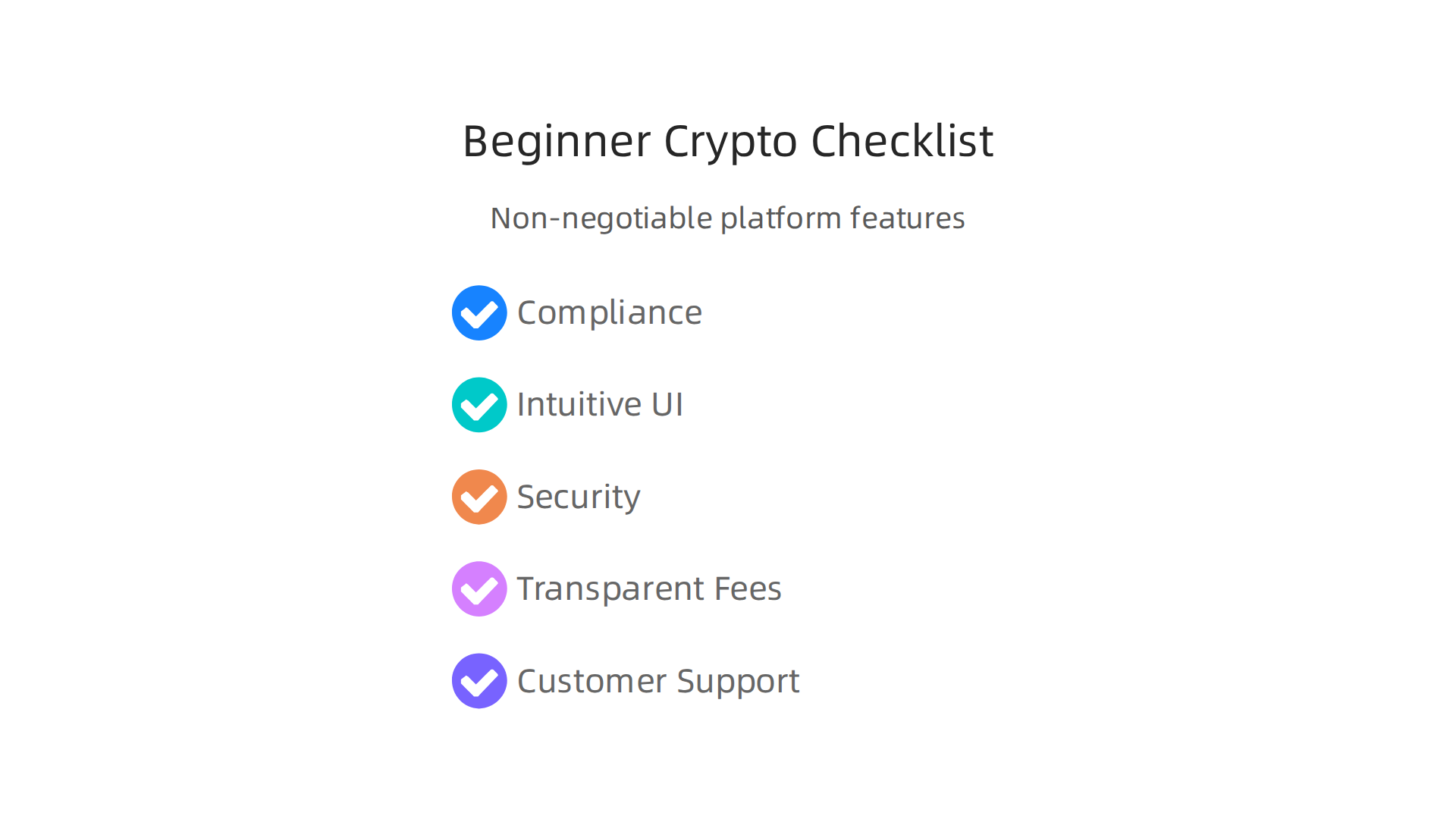
1. Strong Regulatory Compliance & Licensing: Your Safety Net
This is the most important feature, full stop. Think of it as the platform’s official "good driver" license. A regulated platform answers to government authorities and follows strict rules designed to protect you.
Why does this matter so much? Because the crypto world, unfortunately, has bad actors. Scams are a massive problem, with estimates showing billions stolen annually through fake exchanges and fraud. A key warning sign, according to the CFTC, is being asked to send crypto to invest through unverified platforms.
Look for platforms that openly state their licenses (like in the U.S.) or comply with major regulatory frameworks like Europe’s MiCA. They should also have serious security certifications. Top standards to look for include ISO 27001 and SOC 2, which show the platform manages data and risks with institutional-grade care. Reputable names like Kraken and Bitstamp highlight these certifications as a core part of their security.
If you can’t easily find their licensing info, walk away. Your number one job is to avoid scams.
2. Intuitive, Uncluttered User Interface (UI)
Your screen should not look like a spaceship control panel. A confusing interface is a direct path to costly mistakes, like sending money to the wrong address or placing a trade you didn’t mean to.
A good beginner’s UI has:
- A simple, clear process for buying your first Bitcoin or Ethereum.
- Easy-to-find menus for deposits, withdrawals, and your portfolio.
- No overwhelming charts or advanced order types shoved in your face.
You want to feel guided, not intimidated. Whether you’re looking at a top decentralized exchange or a more traditional one, clean design is a sign they care about user experience.
3. Robust Security Fundamentals
Security isn’t just the platform’s job; it’s a partnership. But they must provide the essential tools. At a minimum, any legitimate platform will offer:
- Two-Factor Authentication (2FA): This adds a second code from your phone when you log in. Never, ever skip setting this up.
- Cold Storage: This means the platform stores most customer funds offline, away from hackers. It’s a standard best practice for safety.
Think of these as the locks on your front door. A platform that doesn’t emphasize them isn’t protecting your money. As highlighted in industry security reports, continuous risk monitoring and layered security assurance are what keep your assets safe.
4. Clear, Transparent Fee Structure
Hidden fees are a beginner’s worst enemy. They quietly eat away at your small investments. You need to understand exactly what you’re paying for.
Before you sign up, find their fee schedule. Look for:
- Trading Fees: What percentage do they charge when you buy or sell?
- Deposit/Withdrawal Fees: Does it cost money to add cash or take crypto out?
- Are the fees simple, or is there a complex tiered system?
Platforms like River Bitcoin often pride themselves on transparent pricing. A clear fee page shows they respect you. If the costs are hard to find or understand, consider it a red flag.
5. Responsive Customer Support
You will have questions. What if your deposit doesn’t show up? How do you reset your 2FA? When you need help, you need a real human, not a broken chatbot.
Test their support before you need it. Look for:
- Multiple contact methods (live chat, email, phone).
- A detailed help center or FAQ.
- Positive reviews about their response time and helpfulness.
Knowing help is available gives you peace of mind to explore and learn without fear.
Choosing your first platform is about building confidence, not chasing hype. By prioritizing these five features—safety, simplicity, security, clear costs, and support—you lay a worry-free foundation for your entire crypto journey. You’re choosing a teacher, not just a tool.
Ready to take the next step with clear guidance? For simple, step-by-step lessons that help you navigate safely, sign up for the free Clicks and Trades newsletter. It’s the friendly coach you need to move from confused to confident.
Red Flags: How to Spot a Risky or Fake Crypto Platform
You have your checklist for a safe start. That’s great. Now, we need to talk about the traps.
The sad truth is, while you look for the best crypto trading platform, scammers are looking for you. In 2026, experts estimate a staggering $17 billion was stolen through crypto scams and fraud in the previous year.
That’s why knowing the warning signs is just as important as knowing the good features.
Here’s the thing. Scammers are good at making things look real. They copy websites, use technical words, and play on your fear of missing out. Your best defense is to know their tricks. Here are five bright red flags that scream "walk away."
1. Unrealistic Promises of High, Guaranteed Returns
This is the oldest trick in the book, and it still works. If a platform, an ad, or a person online promises you massive, guaranteed profits with little to no risk, it’s a scam. Full stop.
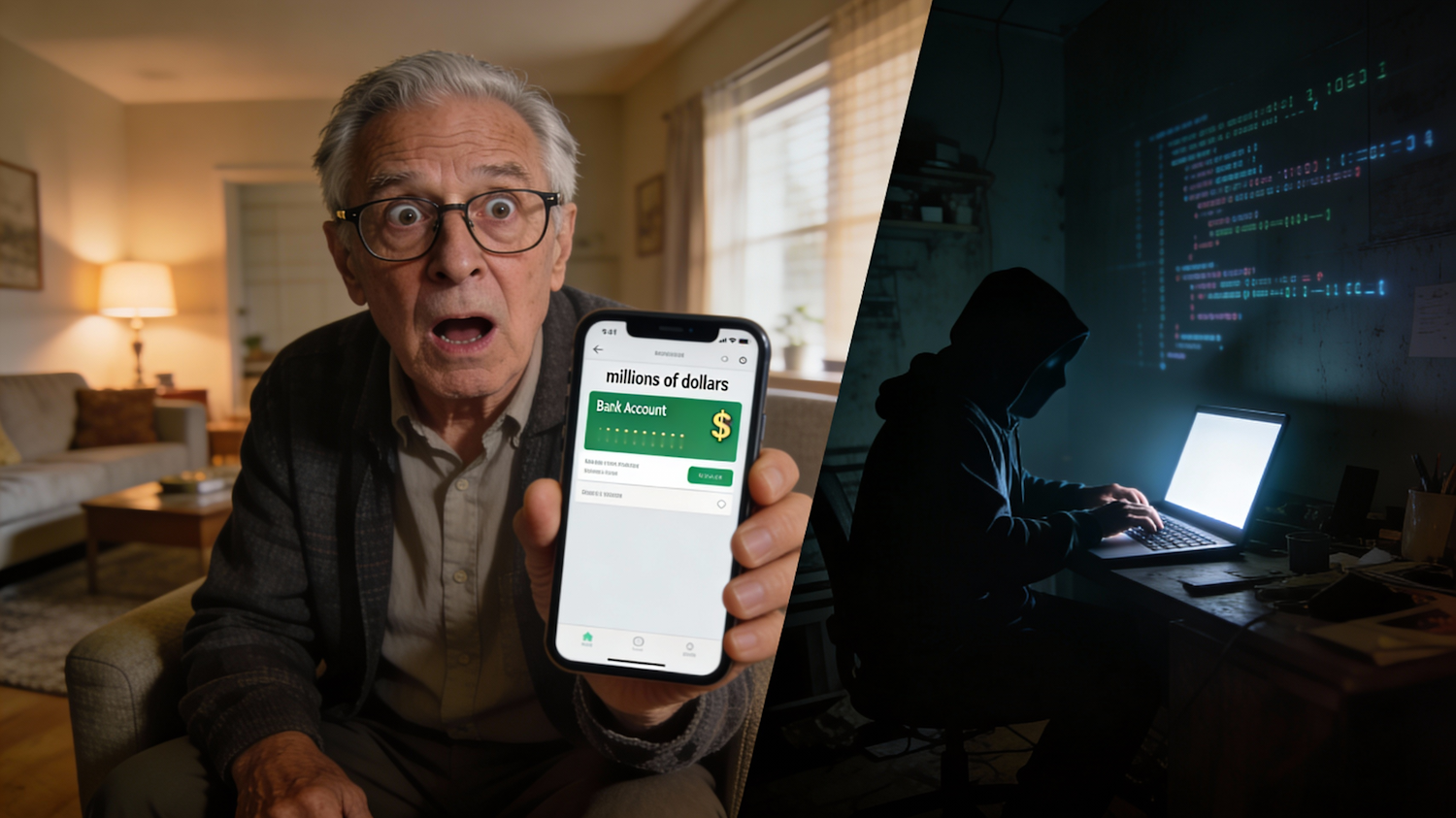
Real investing in crypto or any asset involves risk and market fluctuation. There is no such thing as a "guaranteed 100% return in a week." This tactic is often used to lure people into fake investment schemes or pump-and-dump schemes involving risky memecoin trading. As the Federal Trade Commission warns, scammers often demand payment in cryptocurrency for these fake opportunities.
2. Pressure to Act Immediately or Use Weird Payment Methods
A legitimate business gives you time to think. A scammer creates false urgency. Be very wary of messages that say "this offer ends in one hour" or "you must deposit now to secure your bonus."
Even worse, if they ask you to pay with gift cards, wire transfers to a person, or through a specific crypto kiosk, run. Official authorities like the CFTC highlight this as a major warning sign. These payment methods are nearly impossible to trace or reverse, which is exactly why criminals love them. There are even new alerts about scams involving trips to physical crypto kiosks.
3. Poor or No Transparency About the Company
You should be able to easily find out who you’re dealing with. A risky platform will hide.
Ask these questions. Can you find a clear physical address for their headquarters? Is there a real "About Us" page with actual team member photos and profiles? Most importantly, can you verify their licenses? If the answer to these is "no," you are dealing with a ghost company. This is the opposite of the regulatory compliance you learned to look for earlier.
4. Spelling Errors and Sloppy Website Design
Professional companies invest in their public face. Scammers often throw up a website quickly to catch a few people before it gets shut down.
Look for typos, broken links, awkward English, and low-quality images. The logo might look blurry. The overall design feels cheap or like a rough copy of a real site like KuCoin exchange or BitMart. While everyone makes an occasional typo, a pattern of sloppiness is a strong indicator of a fraudulent setup. It shows a lack of care and professionalism, which you never want in a place that holds your money.
5. Anyone Who Asks for Your Private Keys or Seed Phrase
This is the most critical rule in all of crypto. A legitimate platform will NEVER ask for this information.
Your private keys or seed phrase are the master password to your crypto wallet. They are for your eyes only. Any website, email, or customer service rep that asks you to type or tell them your seed phrase is trying to steal everything you own. No exception. Sharing this is like giving a bank robber your ATM card and PIN. The FTC includes this as a core piece of advice for avoiding scams.
Staying safe is about trusting your gut. If something feels too good to be true, it is. If a platform feels secretive or pushy, leave. Your goal is to find a trustworthy partner for your journey, not become another statistic in the next crypto crime report.
The world of crypto can feel tricky, but you don’t have to navigate it alone. For simple, regular guidance that helps you spot scams and build confidence, consider joining a community built for beginners. You can sign up for the free Clicks and Trades newsletter for clear, step-by-step tips sent right to your inbox. It’s like having a friendly coach in your corner.
Understanding Fees: A Beginner’s Guide to Not Overpaying
You’ve learned how to spot the bad actors. Now, let’s make sure a good platform doesn’t quietly eat your money with confusing fees.
Think of fees like the fine print. Ignore them, and a small investment can get much smaller very fast. For beginners, understanding fees is one of the most practical skills you can learn. It stops you from overpaying before you even start.
Here’s a simple breakdown of the main fees you’ll see on any crypto trading platform and how they work.
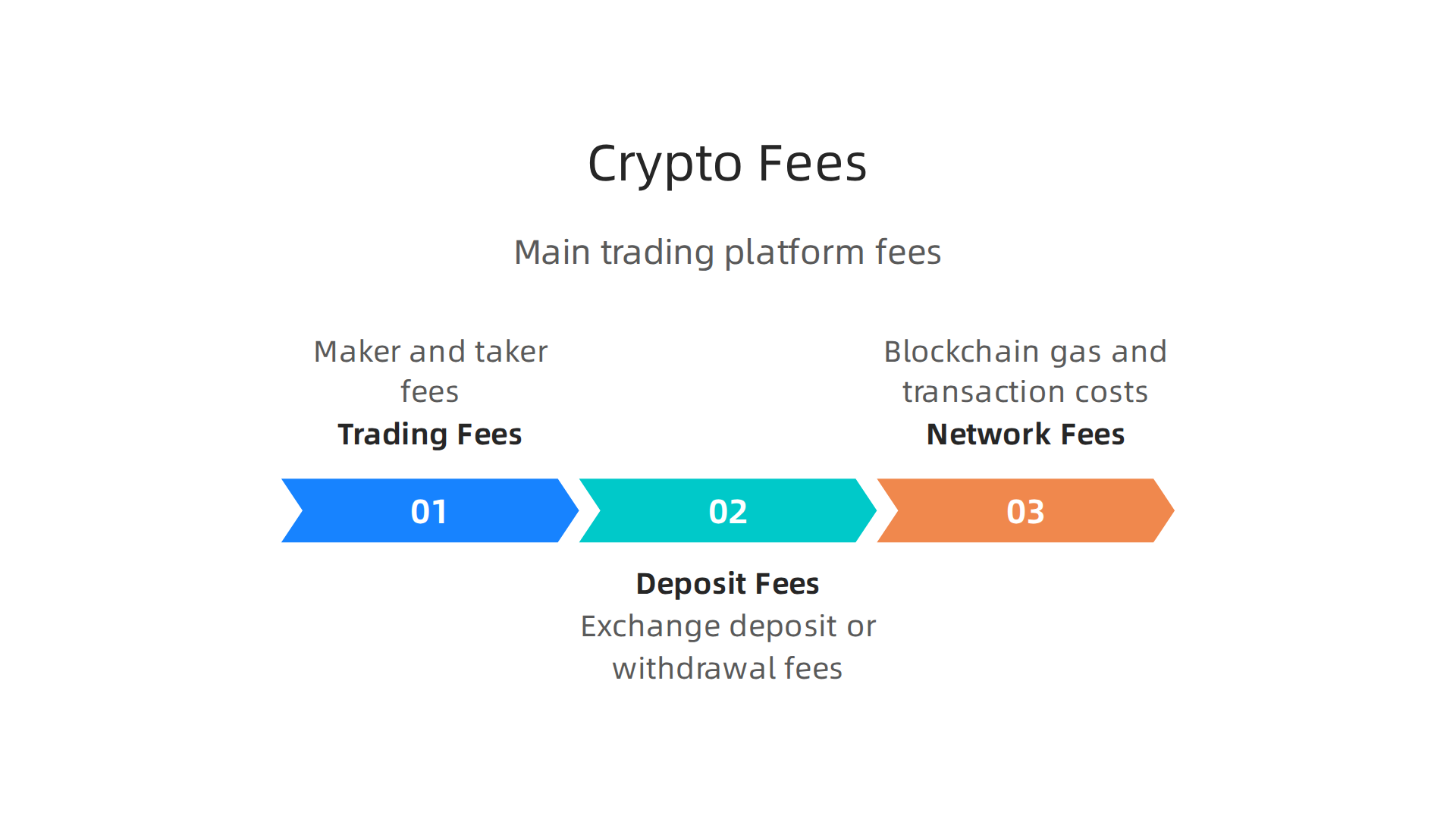
1. Trading Fees (Maker vs. Taker)
This is the core cost of buying or selling crypto. Most platforms charge a small percentage of your trade amount.
You’ll often see two terms: maker and taker. Don’t let this confuse you.
- Maker Fee: You pay this when you place an order that isn’t filled immediately. You are "making" or adding liquidity to the market by setting a price you’re willing to wait for.
- Taker Fee: You pay this when you place an order that fills immediately at the current market price. You are "taking" liquidity from the market.
Simple example: Imagine you want to buy a coffee. If you walk in and buy one at the posted price, you’re a taker. If you offer to buy one tomorrow for $1, and the shop agrees, you’ve made a future deal, so you’re a maker. Taker fees are usually a tiny bit higher.
A clear fee structure is a sign of a good platform. As noted in a recent review of the best crypto exchanges, confusing fees can be a downside for beginners.
2. Deposit & Withdrawal Fees
These are costs for moving your money on and off the platform.
- Deposit Fees: Many good platforms charge $0 for depositing money from your bank account. Always check.
- Withdrawal Fees: This is more common. The platform charges a flat fee (like $1) or a network fee (see below) to send your crypto to your personal wallet.
Pro Tip: Some platforms offer free withdrawals for certain tokens or if you hold their own token. It’s worth checking.
3. Network (Gas) Fees
This is crucial. This fee is not paid to the exchange. It’s paid to the blockchain network (like Ethereum or Bitcoin) to process and verify your transaction.
When you withdraw crypto, you often pay two fees: the platform’s withdrawal fee and the network fee. The network fee can change based on how busy the network is. The exchange doesn’t control this cost but will show you an estimate.
How Fees Bite Small Investments
This is the big one for beginners. Let’s say you invest $50.
- A 1% taker fee on your buy: $0.50
- A $3 withdrawal fee to move your crypto to safety: $3.00
- A variable network fee: $1.50
Before your investment has a chance to grow, you’ve already paid $5.00, or 10% of your starting amount. If you’re doing crypto day trading with small amounts, these fees can wipe out any tiny profit you make.
The best crypto day trading platform for beginners will have transparent, low fees so more of your money stays working for you. Always look at the full fee schedule before you fund your account.
It might feel like a lot to learn, but you don’t have to figure it out alone. For clear, step-by-step guides that break down topics like fees without the jargon, consider joining a community built for learning. You can sign up for the free Clicks and Trades newsletter for friendly, practical tips delivered straight to you.
Side-by-Side Look: Key Aspects of Top Beginner-Friendly Platforms
Now that you know what fees to watch for, let’s see how the top platforms for beginners stack up. It’s not just about low costs. The best crypto trading platform for you will also feel easy to use, teach you what you need to know, and be there to help if you get stuck.
Think of it like choosing your first car. You want something reliable, easy to drive, and with a good manual. You don’t need a racing engine on day one.
Based on expert reviews from 2026, here’s how some of the most recommended platforms compare for new investors.
Coinbase: The Guided On-Ramp
If you want the simplest possible start, Coinbase is often the top pick.
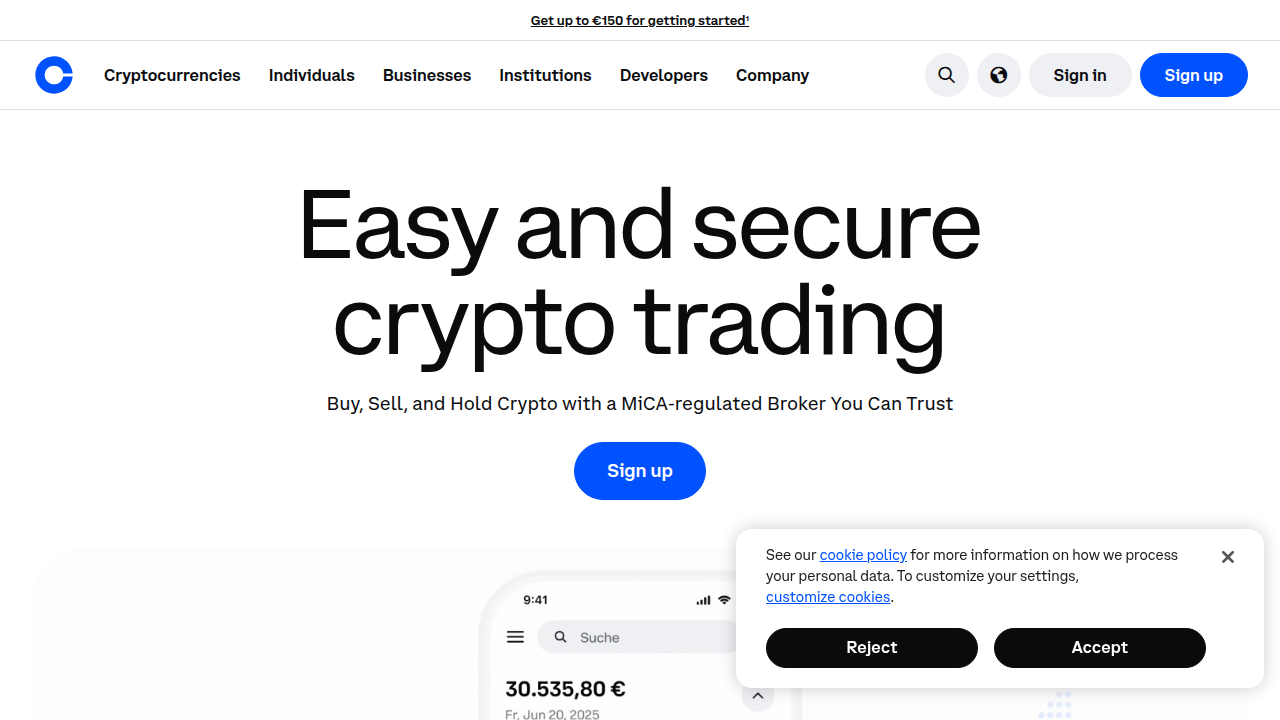
- Ease of Use: Its clean design is built for first-time buyers. Buying crypto with a debit card or bank account takes just a few clicks.
- Educational Resources: This is a huge win. Coinbase Earn offers short, simple lessons where you can earn a few dollars of crypto for learning about new tokens. It’s a fantastic way to learn by doing.
- Support & Security: It’s a regulated, publicly traded company in the US, which adds a layer of trust for nervous beginners. A 2026 review notes that with a $1 minimum to start, Coinbase is best for absolute beginners.
Best for: Anyone who values a super simple, guided, and educational first experience above all else.
Kraken: The Balanced Choice
Kraken frequently wins "Best Overall" in 2026 reviews. It balances user-friendliness with more advanced features you can grow into.
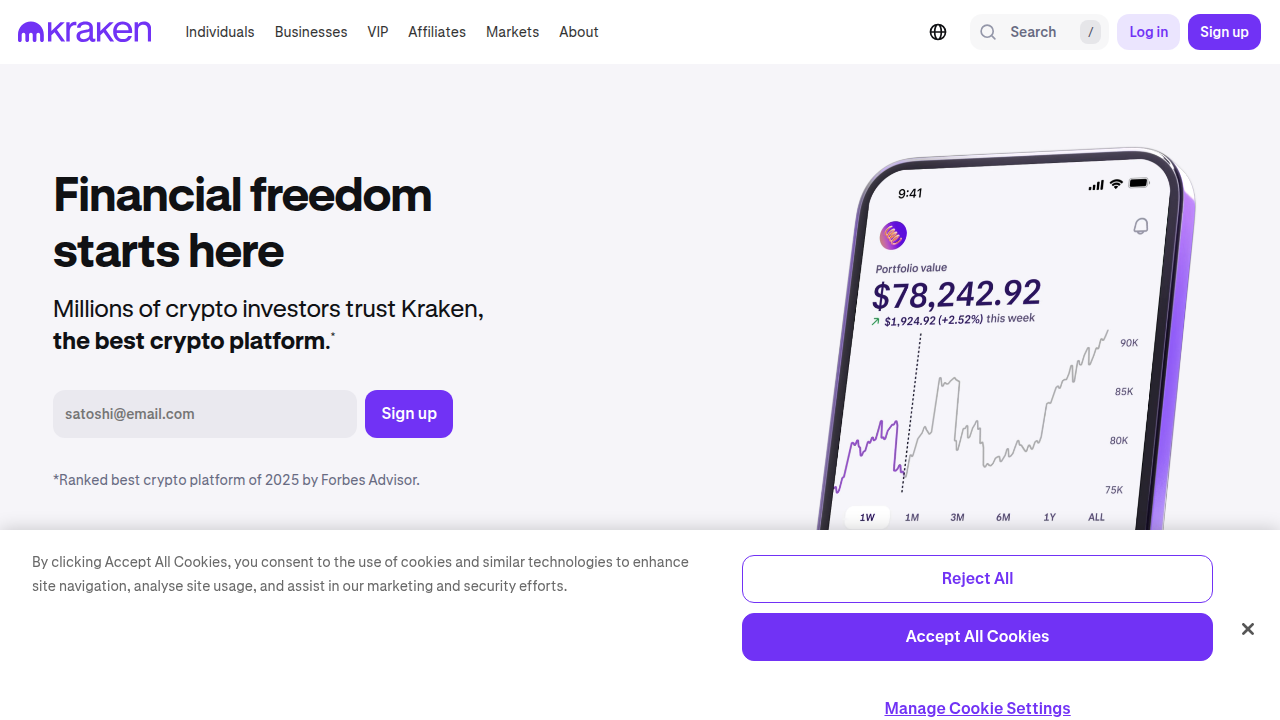
- Ease of Use: The main interface is straightforward for buying and holding. If you get curious about more advanced charts or order types, they’re available but not in your way.
- Educational Resources: Kraken has a deep and well-organized Learn Center with articles and videos on everything from basics to market analysis.
- Support & Security: It has a long-standing reputation for strong security and is often praised for its customer support compared to other large exchanges. A 2026 roundup from Money.com listed Kraken as "Best Overall."
Best for: Beginners who want a trustworthy platform they won’t outgrow too quickly.
Gemini: The Security-Focused Platform
Gemini, founded by the Winklevoss twins, is known for its strong regulatory compliance and security focus.
- Ease of Use: Its basic trading interface is clean and intuitive, making your first purchases easy.
- Educational Resources: Gemini offers its own learn-and-earn opportunities through Gemini Earn, similar to Coinbase’s model.
- Support & Security: Security is Gemini’s flagship feature. It is a New York trust company, adhering to strict capital reserve and cybersecurity standards. However, be aware of fees. A NerdWallet review for 2026 points out that while easy for beginners, it has "a confusing fee structure that’s higher than some."
Best for: Beginners whose top priority is security and regulatory peace of mind, and who are comfortable with potentially higher fees.
Other Notable Platforms for Specific Needs
- Crypto.com / KuCoin Exchange: These are popular crypto-to-crypto exchanges with huge selections of altcoins and memecoins. Their apps can be busy and overwhelming for a total novice, but they are hubs for active traders. They might be a second-step platform after you learn the basics elsewhere.
- Top Decentralized Exchanges (like Uniswap): These let you trade directly from your personal wallet. This is powerful but not beginner-friendly. You are fully responsible for your security, and mistakes can be costly. These are not where you should start.
How to Choose Your Starting Platform
Ask yourself these questions:
- What’s my #1 priority? Is it sheer simplicity (Coinbase), balanced growth (Kraken), or maximum security (Gemini)?
- Do I want to learn as I go? If yes, prioritize platforms with built-in earn-and-learn programs.
- Will I start with day trading crypto? If your goal is active day trading, you need a crypto day trading platform with low fees and advanced tools. For this, you might graduate to a platform like Kraken Pro or Coinbase Advanced Trade after learning the basics.
The good news? You don’t have to figure this out alone or make a permanent choice. Getting clear, friendly guidance can help you take that first confident step. For straightforward tips and a supportive community, consider joining the free Clicks and Trades newsletter. It’s full of practical, step-by-step advice to help you navigate safely. Sign up here for free.
Your First Trade: A Step-by-Step Walkthrough (With Screenshots)
You’ve chosen your beginner-friendly platform. Now for the exciting part, making your first trade. This can feel like the moment before you click "purchase" on a big online order. A little nerve-wracking, but totally doable.
Let’s walk through it together, step by step. We’ll use simple language and focus on the safest, most straightforward path.
Step 1: Sign-Up & Identity Verification (KYC)
This is like getting your driver’s license for the crypto world. Every regulated platform, like the ones we discussed, requires you to prove who you are. This process is called Know Your Customer (KYC), and it’s a security feature that helps protect everyone.
Here’s what to expect:
- You’ll enter your name, email, and create a strong password.
- Next, you’ll need to provide a government ID (like a passport or driver’s license) and sometimes a quick selfie.
- The platform checks these details. This process can take a few minutes or a couple of days.
A 2026 beginner’s guide confirms that "Pick a reliable exchange" and "Verify… your account" are the foundational first steps. It’s normal. Just follow the on-screen instructions.
Step 2: Funding Your Account
You can’t buy crypto without money in your account. The safest and most common way for beginners is to link a bank account.
- In your account settings, look for "Add Payment Method" or "Deposit Funds."
- Choose "Bank Account" (often via a secure service like Plaid). You’ll log into your online banking through a secure window to confirm the link.
- You can then transfer money. A wire transfer or ACH bank transfer are common. Remember, bank transfers can take 1-5 business days to clear.
Pro Tip: Start small. Transfer only the amount you’re comfortable using for your very first purchase. You can always add more later.
Step 3: Placing Your First ‘Market Buy’ Order
The money is in your account. Time to make your first crypto purchase. We’ll do a "Market Buy," which is the simplest option. It means you buy at whatever the current best price is.
- Find the trading page. Look for a button that says "Buy," "Trade," or "Spot Trade."
- Select the cryptocurrency. For a first purchase, experts in 2026 still recommend starting with something established. As one guide notes, "For most beginners, Bitcoin or Ethereum is the sensible place to start."
- Enter the amount. You can type in how much money you want to spend (e.g., $50). The platform will show you how much crypto that will get you.
- Review the fees. The platform will show you a preview with any transaction fees before you confirm.
- Click "Buy" or "Confirm Purchase." That’s it. You now own cryptocurrency.
Step 4: Where to See Your Purchase & Basic Portfolio Tracking
After your buy order completes, your crypto won’t be mailed to you. It’s held in your exchange account.
- Go to your "Portfolio," "Assets," or "Holdings" section. You’ll see a list of the cryptocurrencies you own and their current value.
- This is your basic dashboard. You can see your total balance, how each asset is performing, and your transaction history.
Think of this like the home screen of your new crypto wallet on the platform. It’s where you check in.
Step 5: Setting Up Immediate Security Measures
This is the most important step. Before you do anything else, lock down your account. Crypto exchanges are prime targets for hackers. Your first line of defense is you.
Activate these three features right now:
- Two-Factor Authentication (2FA): This is non-negotiable. It adds a second code (from an app like Google Authenticator or Authy) whenever you log in. A 2026 security guide stresses that "Enabling two-factor authentication… are essential practices." It’s the biggest single step you can take for security.
- Withdrawal Whitelisting: This is a safety deposit box for your crypto. You can list only your own, pre-approved external wallet addresses. If a hacker gets into your account, they can’t send your crypto to their address.
- Email Confirmations: Ensure that any withdrawal or security change triggers an email to you for confirmation.
There you have it. You’ve safely signed up, funded your account, made your first purchase, and locked it down. The whole process is about taking clear, small steps. For ongoing guidance that breaks down concepts just like this, many beginners find a lot of value in the free Clicks and Trades newsletter. It’s full of practical, step-by-step advice to help you navigate safely. You can Sign up here for free to get the next issue.
What to Do After Your First Trade: Safe Next Steps
You did it. You made your first trade. That’s a big step. But now what? The most important part of your journey begins after you click "buy." Here’s what to focus on next to keep your investment safe and your mind clear.
Don’t Leave All Your Funds on the Exchange
Think of your exchange account like a checking account. It’s great for everyday spending, but you wouldn’t keep your life savings there. The same is true for crypto. The golden rule is "Not your keys, not your coins." This means if you don’t control the private keys to your crypto, you don’t fully own it. The exchange does.
A 2026 guide clearly lists the final step as "Secure it in a private wallet." Leaving crypto on an exchange long-term exposes you to risk if that platform ever has a security issue. For small amounts you plan to trade soon, it’s okay. For anything more, consider a safer home.
When to Consider a Self-Custody Wallet
A self-custody wallet is like your own personal crypto safe. You hold the keys. You’re in full control. This is the next step for securing your investment once it grows beyond a small "learning" amount.
- Hardware Wallets: These are physical devices, like a USB drive, that store your keys offline. They are the most secure option for holding crypto long-term.
- Software Wallets: These are apps on your phone or computer. They are more convenient than hardware wallets but are connected to the internet, making them slightly less secure.
You don’t need one on day one. But as you learn more and your portfolio grows, moving your crypto off the best crypto trading platform and into your own wallet is a smart move for security and true ownership.
Keep Learning from Trusted Sources

The crypto world changes fast. What was true last year might not be true today. Your education shouldn’t stop after your first purchase.
Stick with reputable sources. Look for guides, blogs, and newsletters that explain things clearly without hype. Avoid anyone promising guaranteed riches. For clear, step-by-step advice that grows with you, many beginners find the free Clicks and Trades newsletter incredibly helpful. It breaks down complex topics into simple, actionable steps.
Set Realistic Expectations
This might be the most important step of all. Crypto prices move fast. They go up a lot, and they can go down a lot just as quickly. Seeing a price jump can create FOMO (Fear Of Missing Out). Seeing a drop can cause panic.
Here is the truth. Crypto is volatile. It always has been. Do not invest money you cannot afford to lose. Do not chase "hot tips" about the next big memecoin. The goal is to build knowledge and make careful decisions, not get rich overnight.
Take a deep breath. You’ve started. Focus on safety, then learning, then growing. To get practical tips on managing volatility and building confidence sent right to your inbox, you can Sign up for free and continue learning at your own pace.
Summary
This article is a clear, beginner-friendly guide to choosing and using your first crypto trading platform. It explains what a trading platform actually does, the difference between the exchange marketplace and wallet storage, and why starting on the right platform matters for safety and cost. You’ll get a concise checklist of five non-negotiable features—regulation, simple UI, core security, transparent fees, and responsive support—to prioritize when signing up. The guide also flags common scams and warning signs to help you avoid losing money, breaks down trading, deposit, and network fees so you don’t overpay, and compares popular beginner platforms like Coinbase, Kraken, and Gemini. There’s a step-by-step walkthrough for making your first market buy and immediate security steps to take afterward. Finally, the article covers what to do after your first trade, including when and why to use a self-custody wallet and how to set realistic expectations for volatility.